A supplement is only as good as what's inside the capsule. Here's the complete Sugar Balance formula — all eight herbal extracts, what each one is, why it's in there, what research says about it, and the safety notes you should read before your first capsule.
🚚 Free Shipping to All 50 States
Sugar Balance is built around eight botanical extracts, each with a documented history of traditional use in metabolic and wellness formulas. No proprietary blends hiding behind trademarked names — the formula is published, and this page walks you through it line by line.
Start at the top: the serving size, the amount per serving, and the ingredient list beneath it. The Supplement Facts panel on your bottle is the legally binding statement of what you're taking — more current and more reliable than any website, including this one. If a bottle's label doesn't match the formula described on the official website, don't take it; ask questions first.
The serving size tells you how many capsules make one serving, and the amount-per-serving column tells you exactly how much of each extract that serving delivers. These numbers matter more than the ingredient names alone — an extract at a meaningful serving is a different proposition from the same extract sprinkled in trace amounts.
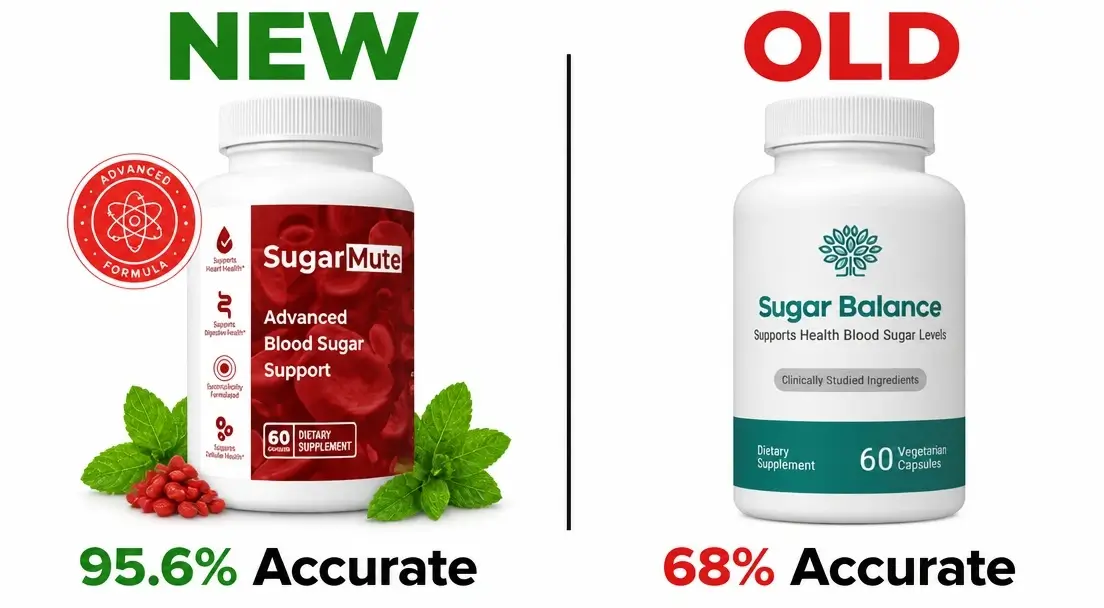
"Sugar Balance" is a name more than one seller has used, and formulas get revised over the years. This is why ingredient lists you find on older websites may not match the current bottle. Always verify against the bottle in your hand and the current official listing — that's the only pair of sources that can agree with each other.
Here's the complete eight-herb formula. For each ingredient: what it is, its traditional role, and what modern interest focuses on. Verify current amounts on the bottle's Supplement Facts panel.
Schisandra is a berry long valued in traditional Eastern practices as an adaptogen — a plant class traditionally used to help the body handle stress. Modern research interest centers on its antioxidant compounds and its studied connections to liver health and metabolic function, including glucose metabolism support.
Licorice root brings a long traditional resume in digestive and metabolic support. It's one of the more research-active herbs in the formula — and one that deserves respect: compounds in licorice can affect blood pressure and potassium levels at high or prolonged intakes. If you have blood pressure, heart, or kidney concerns, read our safety notes below and involve your doctor.
A cornerstone of traditional herbal formulas for centuries, astragalus root is included for its studied links to immune function and metabolic wellness. Research on astragalus has explored its relationship to fasting blood glucose markers and insulin sensitivity, making it one of the more scientifically interesting entries in the blend.
Goji berry is a nutrient-dense fruit rich in antioxidants and polysaccharides. Traditional formulas prized it for vitality and wellness, and modern nutrition research focuses on its antioxidant capacity and its polysaccharides' studied relationship with healthy glucose metabolism.
Wild yam root carries a long traditional history, particularly in botanical formulas for women's health and general wellness. It rounds out the formula's traditional base and contributes to the blend's classic herbal character.
Balloon flower root (Platycodon grandiflorus) is a traditional botanical used for respiratory and overall wellness support. In this formula it contributes to the multi-herb approach rather than carrying the blood sugar story alone — every extract plays a role in the blend's overall design.
Solomon's seal is a traditional root with a long history in herbal wellness practices. Its inclusion continues the formula's theme: plants with generations of traditional metabolic and wellness use behind them.
Mulberry leaf may be the most research-visible ingredient in the formula. Studies have explored mulberry leaf compounds and their relationship to post-meal blood glucose — the mechanism behind the post-meal spike so many people feel as a crash an hour later. It's a fitting anchor for a formula designed to support healthy blood sugar levels.
The manufacturer of Sugar Balance describes a formula built on traditional herbal wisdom — botanicals historically used to support blood sugar balance and metabolic wellness, combined into one convenient capsule. The eight-plant blend is presented as deliberate: each extract selected for a role, not stacked for a label.
Centuries of traditional use tell you a plant was valued and consistently used — meaningful context, but not proof of effect. Modern clinical evidence is where validation happens, and it exists at different levels for different ingredients in this formula: stronger for mulberry leaf and astragalus, thinner for others. A good formula bridges both worlds; an honest website tells you which is which.
The Supplement Facts panel on your bottle is the only reliable dosage source. Published studies typically test specific amounts of specific extracts — and a study at one dose doesn't automatically apply to a formula at another. Check the label against the research summaries above, and treat any seller unwilling to show you a full label as a red flag.
Human research on these botanicals is real but varied. Mulberry leaf extracts have been studied for effects on post-meal blood glucose in human trials. Astragalus appears in studies exploring glucose and metabolic markers. A published systematic review and meta-analysis of related herbal interventions suggests modest supportive effects on blood glucose outcomes. You can browse the primary literature on PubMed — and you'll notice the effect sizes are "supportive," never miraculous.
Sometimes yes, sometimes not — and that's normal for multi-herb formulas. A finished capsule divides its space among eight extracts, so per-ingredient amounts are often smaller than the amounts used in single-ingredient studies. Compare the label to the research honestly: the formula works as a team, but no one should claim it matches every study dose exactly.
No published large-scale clinical trial of the complete eight-herb Sugar Balance blend exists. That's the standard situation across the supplement industry, but it remains a genuine evidence gap. The honest position: ingredient-level evidence supports the design; the finished formula has promising tradition and real customer feedback, but no trial of its own.
The formula is all-natural and made in a GMP-certified US facility — and every natural ingredient still deserves a safety conversation. Here are the four that matter most.
Mild digestive discomfort in the first days of use is the most commonly reported side effect in customer feedback, typically settling when the capsules are taken with food. Anyone with known plant allergies should read the full label against their allergy list before starting — and anyone experiencing unusual symptoms should stop and consult a doctor.
Licorice root is the formula's most safety-relevant ingredient. Compounds in licorice — particularly at high or prolonged intakes — have documented effects on blood pressure and potassium balance. People with hypertension, heart conditions, kidney disease, or those taking related medications should discuss Sugar Balance with a healthcare professional before use. This isn't alarmism; it's what the research on this specific botanical supports.
Several herbs in the blend are traditionally associated with glucose support — which is exactly why anyone taking insulin, metformin, or other glucose-lowering medication should involve their doctor first. Combined effects could nudge blood sugar lower than intended. One conversation with your physician or pharmacist covers this completely.
Pregnancy, breastfeeding, scheduled surgery, liver or kidney conditions, and any prescription regimen — each is a reason to consult your healthcare professional before starting Sugar Balance. It's important to consult your doctor about every new supplement when you manage a health condition. Two minutes of caution beats months of regret.
Beyond the eight herbal extracts, the capsule itself and any flow agents or fillers appear in the "other ingredients" line of the Supplement Facts panel. Read that line too — it tells you about gelatin versus plant-based capsules and everything else that rides along with the actives.
Check the label for allergen statements and confirm against your own sensitivities. If you follow a vegan, vegetarian, or halal diet, the capsule material matters as much as the herbs inside it — verify it on the label of the bottle you receive rather than assuming.
Look for explicit statements and certification marks on the packaging, and confirm current claims on the official website. A claim printed on the bottle is a commitment; a claim on a random webpage is just text. Trust the label, verify with the seller, and keep both.
The current formula is built on the eight herbal extracts listed above — chromium and gymnema are not part of the blend described here. Verify the complete list on the Supplement Facts panel of your bottle, as formulas can be updated over time.
Check the Supplement Facts panel on the bottle — it is the legally required disclosure of what each serving contains, and it's printed on every genuine bottle. Any seller unwilling to show a full label isn't a seller you should trust.
Only your doctor or pharmacist can answer that for your specific situation — especially with blood sugar, blood pressure, or heart medications, because of the licorice root and glucose-support considerations above. Ask before you start, not after.
Often yes, but overlapping ingredients add up. If you take another blood-sugar-support formula or a multivitamin with herbal content, show both labels to your healthcare professional and avoid doubling up on the same botanicals.
Ingredient descriptions on this page reflect the eight-herb formula published for the Sugar Balance product sold through the official website. The Supplement Facts panel on the bottle you receive is always the final authority — formulas get updated, and this page updates with them.
Research context on this page draws from published studies and reviews accessible via PubMed, with general health context from the FDA and the NIDDK. Limitations are stated plainly: no finished-formula trial exists, and dose-matched evidence varies by ingredient.
November 2026. If the label on a new bottle ever differs from what you read here, trust the bottle and contact contact@us-sugarbalance.com so we can update this guide.